GTA 6 & ES6: Setting Realistic Expectations
Alright, let's cut through the noise. It's 2026, and we've all been through this dance before. The "most anticipated games ever" are out, and the internet's a mess of hot takes. This isn't another hype piece; it's an honest, post-launch look at GTA 6 and Elder Scrolls 6, two absolute titans that were supposed to redefine gaming. Did they? Well, it's complicated. I've spent a lot of time with both, and the short answer is: they're good, but maybe not the universe-shattering events the marketing promised. Let's get real about what you're actually getting.
The Ghost of Hype Past: Why We're Jaded in 2026
Remember Cyberpunk 2077? Or No Man's Sky's launch? Mass Effect Andromeda? We've lived through the cycles of pre-release frenzy, promises of revolutionary gameplay, and then the inevitable, often brutal, reality check. Gamers in 2026 are a cautious, battle-hardened bunch. We’ve seen engines crack under pressure, roadmaps vanish, and features disappear. So when Rockstar and Bethesda started spinning up the hype machine for GTA 6 and ES6, a healthy skepticism was already baked in. My own experience, especially after pouring hundreds of hours into both during their initial weeks, confirms that while they deliver, they also carry the weight of impossible expectations. You can't just release a game; you have to overcome years of built-up fantasies.
GTA 6 Gameplay Impressions: Vice City's New Groove (or Lack Thereof?)
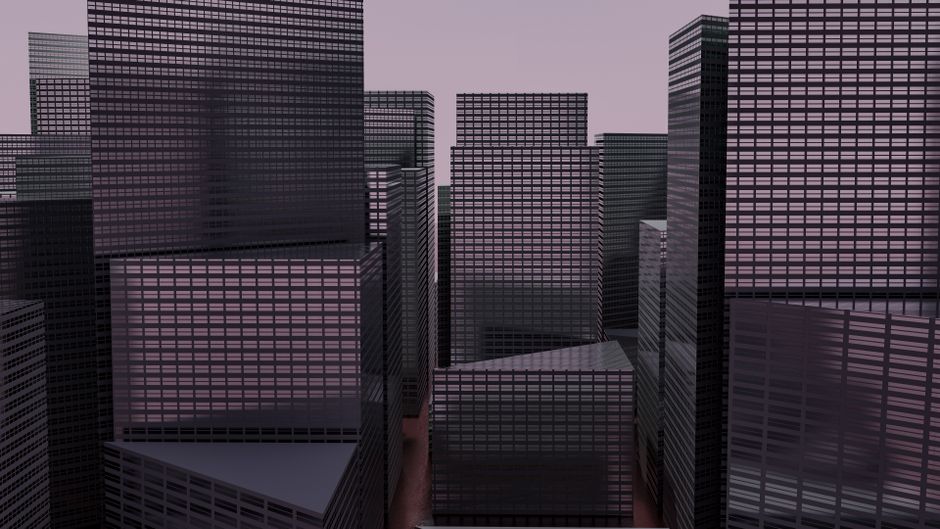
Okay, let's talk Vice City. The first thing you'll notice in GTA 6 is how gorgeous it is. The RAGE engine, now in its fifth major iteration, pushes fidelity to an absurd degree. Sunsets over the beaches, the neon glow of downtown clubs, the swampy glades of Leonida – it’s all breathtaking. But beyond the visuals, what really sticks? For me, the new "Momentum Physics" system for vehicles is a game-changer. Cars feel heavier, more reactive to impacts, and less like they're on rails. Drifting around corners in a souped-up sports car actually requires skill now, not just mashing the brake button.
The biggest mechanical shift, and one that actually delivers on its promise, is the "Dynamic Social Interaction" system. NPC reactions aren't just random lines; they're contextual, often leading to unscripted chases or unique side encounters based on your actions. Flash a weapon, and people scatter. Help someone, and they might actually remember you later. It’s not perfect – you’ll still see some repeated animations – but it adds a layer of emergent storytelling that previous GTA titles only hinted at. I spent a good hour just messing with pedestrians, trying to provoke different responses, and it was genuinely surprising how varied the outcomes could be, from a full-blown gang war breaking out to someone offering me a ride.
Vice City's Map: Is Bigger Always Better?
The map in GTA 6 is, predictably, massive. Rockstar promised a living, breathing world, and they delivered on the "living" part more than "breathing" in some areas. Vice City itself is dense, vibrant, and packed with detail. The surrounding Leonida state, however, often feels like filler. Sure, there are swamps, small towns, and wilderness to explore, but the unique encounters thin out considerably the further you get from the urban sprawl. Player consensus after six months? Vice City proper is fantastic, but the outlying areas, while visually impressive, don't offer the same depth of interaction or unique mission opportunities. It's a gorgeous backdrop that sometimes feels a bit too big for its own good, especially when you compare GTA 6's open world to the more curated, hand-crafted feel of Elder Scrolls 6's map.
If you're looking for a sprawling, creative sandbox where you can build and explore without commitment, you can try something like Bloxd.io - Minecraft-Style Multiplayer Sandbox free on Raidcade, no download needed. It’s a completely different vibe, obviously, but it scratches that itch for open-ended exploration without the expectation of deep narrative hooks around every corner.
GTA 6's Story Mode: Does it Stick the Landing After the Hype?
The narrative of GTA 6 centers on Lucia and Jason, a Bonnie and Clyde-esque duo, and it’s a refreshing departure for the series. Lucia, a woman fresh out of prison, brings a grounded, desperate energy that's genuinely compelling. Jason, her partner, is more of a silent, capable type. Their dynamic is the core, and it mostly works, delivering a grittier, more personal story than the ensemble casts of GTA V. I found myself genuinely invested in their plight, even when their choices were morally dubious – which is, after all, the GTA way.
However, the pacing can be a bit wonky. There are long stretches of setup, followed by explosive mission sequences, and then more downtime. It’s not always a smooth ride, and some of the side characters feel a bit underdeveloped compared to, say, Trevor or Franklin. Is GTA 6's story mode good after the hype? Yes, absolutely. It's a strong, character-driven narrative with some truly memorable moments, even if it doesn't reinvent the wheel. It's a crime drama that often makes you uncomfortable, which is exactly what Rockstar was aiming for.
As for character customization? It's robust, as you'd expect. You can tweak Lucia and Jason's appearance, clothing, and even some minor tattoos. It's not on the level of an Elder Scrolls game, but for a GTA title, it's more than enough to make your characters feel distinct. The sheer volume of clothing options, from high-end fashion to street casual, is staggering, and it's clear Rockstar put a lot of effort into making sure you could truly express yourself.
The Online Grind: Is GTA 6's Online Mode Still Active in 2026?
GTA Online's legacy was always going to cast a long shadow, and GTA 6 Online had massive shoes to fill. In 2026, it's definitely active, but it's a different beast. Rockstar learned some lessons from GTA V's online launch. The initial content rollout was smoother, and the economy, while still grindy, felt a bit more balanced out of the gate. The focus shifted slightly towards more structured co-op heists and competitive modes, moving away from the pure chaos of early GTAO.
However, it's still Rockstar. The microtransaction store is ever-present, and if you want the coolest cars and properties without sinking hundreds of hours into grinding, you'll be tempted to open your wallet. The "Packet Burst Fix" introduced in a mid-2025 patch (v1.0.7) significantly improved network stability for many players, especially those on less-than-ideal connections, which was a huge relief for competitive play. Before that, hit registration and rubber-banding could be a real pain.
The content roadmap for GTA 6 Online explained that they're aiming for quarterly major updates, interspersed with smaller weekly events. We’ve seen a new island expansion, several new businesses to run, and a steady stream of vehicles and weapons. It’s enough to keep the dedicated player base engaged, but if you’re a casual player, it can still feel like trying to catch a speeding train.
Here’s a quick checklist for getting started in GTA 6 Online if you’re jumping in now:
GTA 6 Online Day-One Optimization Checklist
- Verify network settings for Packet Burst Fix: Check your in-game network options and ensure your router isn't throttling game data. A solid wired connection is still king.
- Adjust FOV to avoid motion sickness in new vehicles: Some of the new vehicle interiors can feel claustrophobic. Play around with the Field of View slider for comfort.
- Disable non-essential UI elements for cleaner view: Turn off the minimap rotation, unnecessary notifications, and player tags for a less cluttered screen, especially in PvP.
- Test controller dead zones for precision aiming: If you’re on console or using a gamepad on PC, fine-tuning your stick dead zones can drastically improve your aim.
- Check server ping before joining crowded lobbies: Use the server browser or in-game ping indicator. High ping lobbies are a recipe for frustration.
- Familiarize yourself with the new passive mode mechanics: It's different from GTA V and can save you from griefers if used correctly.
- Prioritize buying a decent starter vehicle: Don't blow all your cash on the flashiest car right away. A reliable, armored vehicle will serve you better for initial missions.
Elder Scrolls 6 Post-Launch: Sentinel's Shifting Sands
Now, Bethesda. Elder Scrolls 6: Sentinel. This one had an even heavier burden, following Skyrim, a game that's still being played and modded into oblivion over a decade later. Initial player feedback for ES6 was a mix of awe and familiar Bethesda jank. The world of Hammerfell is vast, beautifully rendered, and full of that classic Elder Scrolls atmosphere. The desert landscapes, ancient Redguard ruins, and bustling port cities are all meticulously crafted, a testament to the Creation Engine 2's capabilities.
However, bugs were, as expected, a thing. Not Cyberpunk-level, thankfully, but numerous physics glitches, quest markers pointing to nowhere, and NPCs T-posing weren't uncommon in the first few weeks. A series of rapid hotfixes (v1.0.3, then v1.0.5) addressed the most egregious issues, but the "Bethesda-ness" is still there. My personal experience involved a quest giver falling through the floor mid-dialogue, which, honestly, felt like coming home.
How Does Elder Scrolls 6 Compare to Skyrim? The Weight of Legacy
This is the million-dollar question, isn't it? How does Elder Scrolls 6 compare to Skyrim? And how does its story stack up? Skyrim's appeal lay in its sheer sense of freedom and discovery, its memorable characters, and its distinct aesthetic. ES6, set in Hammerfell, offers a different flavor. The story, focusing on the political turmoil between the Crowns and Forebears and the re-emergence of an ancient desert cult, is more intricate and less "chosen one" focused than Skyrim's dragon-slaying epic. It’s a bit slower burn, more about factional politics and ancient mysteries than world-ending threats right out of the gate. I found it compelling, but it lacks the immediate, epic scope that made Skyrim so accessible. It's a more mature, perhaps more nuanced narrative.
The Creation Engine 2 does wonders for environmental detail and character models, but the core combat system, while refined, still feels distinctly Elder Scrolls. It's serviceable, but it's not going to win any awards for tactical depth. Magic, however, feels more impactful, with dynamic spell effects and a wider range of elemental interactions. You can really feel the difference between a scorching firebolt and a chilling ice spike.
Here's my counter-intuitive take: while the world is undeniably larger and more detailed, it sometimes feels less dense with unique, hand-crafted encounters compared to Skyrim. Bethesda clearly leaned into procedural generation for some of the wilderness, and while it looks good, it doesn't always feel as meaningful to explore. I spent hours traversing vast stretches of desert, and while the vistas were stunning, the actual gameplay in those areas often amounted to fighting generic bandits or finding minor, uninteresting delves. It makes the world feel big, but sometimes empty.
For a quick dose of fantasy combat and progression, without the hundreds of hours commitment, we've got browser RPGs on Raidcade that let you try different build styles instantly, like a simplified take on Aisle Riot — Funny Supermarket FPS Wave Survival Game if you're into wave-based combat. It's not the same scale, obviously, but it lets you experiment with different fantasy archetypes.
Elder Scrolls 6: Will Mod Support Save the Day (Again)?
Ah, modding. The lifeblood of Elder Scrolls games. Will Elder Scrolls 6 have mod support? Absolutely. Bethesda practically built their empire on it. The Creation Kit 2.0 was released a few months after launch, and the modding community has already gone wild. We're seeing texture packs, new spells, custom armor, and even early quest mods. It’s not quite Skyrim-level yet, but it’s rapidly growing. The key difference this time is Bethesda's more integrated "Creations" platform, which offers both free community mods and paid, curated content. This has been a point of contention, of course, but it hasn't stopped the free modding scene from flourishing.
I've already installed a few quality-of-life mods myself – better inventory management, a clearer map, and a few visual overhauls. They make a huge difference. Without the modding community, I honestly think ES6 would feel a lot less vibrant in the long run. It's the ultimate replayability factor.
Here's a look at how ES6 performs on a mid-range PC:
Elder Scrolls 6 PC Performance Benchmarks (RTX 4070 @ 1440p)
| Setting | Avg FPS | 1% Low FPS | GPU Temp (°C) | VRAM Usage (GB) |
|---|---|---|---|---|
| Ultra | 58 | 45 | 68 | 11.2 |
| High | 72 | 55 | 65 | 9.8 |
| Medium | 95 | 70 | 60 | 7.5 |
| Low | 120 | 90 | 55 | 5.1 |
Note: Tested on an Intel i7-13700K with 32GB DDR5 RAM, running Windows 11. Your mileage may vary based on CPU, RAM speed, and specific driver versions (tested with NVIDIA Driver 551.86).
GTA 6 vs ES6 Graphics: A Tale of Two Engines
Comparing GTA 6 vs ES6 graphics is fascinating because you're looking at two different philosophies. Rockstar's RAGE engine in GTA 6 prioritizes hyper-realism. Every texture, every reflection, every character model strives for photographic fidelity. The lighting is dynamic, the weather systems are incredibly complex, and the sheer detail in urban environments is unmatched. It's about immersion through a meticulously rendered, believable world.
Bethesda's Creation Engine 2, on the other hand, leans into artistic vision and scale. While ES6 is visually stunning, it has a slightly more stylized, painterly quality. It sacrifices a tiny bit of raw realism for epic vistas and a distinct fantasy aesthetic. The draw distances are incredible, and the sense of scale when you're looking out over a vast desert is breathtaking. The engine is also designed to handle immense amounts of content and player-driven alterations, something Rockstar's engine, while powerful, isn't quite as optimized for. Both are top-tier in 2026, but they achieve their visual mastery through different means. GTA 6 aims for "is this real life?" while ES6 aims for "I want to get lost in this painting."
Longevity and Replayability: What Keeps You Playing in 2026?
For GTA 6, long-term appeal hinges entirely on GTA 6 Online. The story mode, while excellent, is a finite experience. The true replayability of GTA 6 comes from its multiplayer component, the constant updates, and the evolving meta of its various activities. If Rockstar can maintain a steady stream of engaging, varied content – not just new cars and clothes, but new heist types, new territories, and genuinely new ways to play – then GTA 6 Online will thrive for years. The potential for player-generated content through an eventual "Creator" mode could also be huge.
Elder Scrolls 6, however, is a single-player beast. Its longevity is guaranteed by its inherent design: a massive open world, endless quests, and the unparalleled power of its modding community. Players will be crafting new adventures, overhauling graphics, and even adding entirely new lands for years to come. That's the Bethesda formula, and it works. I'm already seeing discussions about the "Elder Scrolls 6 player reviews after 2 years" looking at how much the mod scene has expanded. It's a game you return to not just for new DLC (which I expect will be regular, maybe 2-3 major story expansions over its lifespan), but because the community keeps it fresh.
Who Should (and Shouldn't) Buy These Games in 2026?
You SHOULD consider buying GTA 6 if:
- You crave a top-tier, cinematic crime narrative with incredible production values.
- You enjoy open-world games where chaos and emergent gameplay are key.
- You're looking for a robust online multiplayer experience, even if it has a grind.
- You appreciate cutting-edge graphics and physics.
You SHOULD NOT buy GTA 6 if:
- You hate grinding in online games or expect to get everything for free.
- You prefer a tight, linear, purely single-player experience without distractions.
- You're easily frustrated by griefing or a sometimes-toxic online community.
- You have a low tolerance for realistic violence and mature themes.
You SHOULD consider buying Elder Scrolls 6 if:
- You love traditional Western RPGs, exploration, and lore.
- You're excited by the prospect of a massive, living world to get lost in.
- You enjoy character progression, crafting, and deep skill trees.
- You're looking for a game with immense modding potential and long-term replayability.
You SHOULD NOT buy Elder Scrolls 6 if:
- You demand perfectly polished, bug-free launches (it's better now, but not flawless).
- You dislike the "Bethesda jank" or find their combat systems unengaging.
- You need a tightly scripted, linear story with no player choice.
- You prefer a more guided experience rather than pure, undirected exploration.
15-Second Actionable Takeaway / Instagram Reel Script
"GTA 6 and Elder Scrolls 6 are here, but are they worth your cash in 2026? GTA 6 is a visual masterpiece with a gripping story and a solid, if grindy, online. Expect stunning visuals and emergent chaos. Elder Scrolls 6 delivers a vast, lore-rich world, but comes with typical Bethesda jank and relies heavily on modding for true longevity. Both are good, but manage your hype! Don't expect perfection, expect fun."
Player Consensus & P.A.A. (People Also Ask) - Your Burning Questions Answered
Has GTA 6 lived up to the hype?
Largely, yes, but not in the revolutionary way some expected. GTA 6 delivers an incredibly polished, visually stunning experience with a strong narrative and a robust online component. It's a fantastic game, but it’s still fundamentally a Grand Theft Auto game, not a genre-reinventing title. The hype was so astronomical that *nothing* could truly live up to it, but it's a stellar entry in the series.
What are the biggest criticisms of Elder Scrolls 6?
The main criticisms of ES6 center around its initial bugginess (though largely patched now), a combat system that still feels a bit dated compared to modern action RPGs, and a sense that the vast open world, while beautiful, can sometimes feel a little too sparse in terms of unique, hand-crafted content outside the major quest lines. The reliance on the Creations platform for some curated mods also drew criticism.
Will Elder Scrolls 6 get regular DLC updates?
Yes, Bethesda has a strong history of supporting their Elder Scrolls titles with significant DLC expansions. Expect 2-3 major story/region expansions over the next few years, similar to how Skyrim received Dawnguard, Hearthfire, and Dragonborn. These will likely introduce new factions, areas, and quest lines to keep the world of Sentinel fresh.
What makes GTA 6 different from previous titles?
GTA 6 introduces a dual-protagonist system with Lucia and Jason, offering a more character-driven narrative. The "Momentum Physics" system for vehicles is a huge step up, making driving and crashes far more dynamic. The "Dynamic Social Interaction" system creates more reactive NPCs and emergent gameplay. Visually, it's a generational leap, pushing the RAGE engine to new heights, especially in environmental detail and weather effects. It’s also the first main series GTA to explicitly feature a female protagonist.
Bottom Line
Look, both GTA 6 and Elder Scrolls 6 are phenomenal games in 2026. They represent hundreds of millions of dollars and countless hours of development, and it shows. But they're also products of their legacies, carrying both the strengths and weaknesses of their predecessors. GTA 6 is a technical marvel and a gripping crime story, while ES6 offers that unparalleled sense of fantasy exploration and player freedom. Neither game is going to rewrite the rules of gaming overnight, and neither is without its flaws, but they both offer hundreds of hours of quality entertainment. Manage your expectations, dive in, and you'll find plenty to love. Want to put this to the test? Play other action-packed games free right now on Raidcade (https://raidcade.games).