When Rockstar Games officially handed over the keys to Game Informer for their Issue 382 cover story on September 25, 2026, the gaming industry expected new character lore and a handful of flashy screenshots. What Senior Associate Editor Marcus Stewart delivered in his 14-page deep dive, however, was something far more transformative: an unprecedented look under the hood of Grand Theft Auto VI's next-generation dynamic weather and environmental physics engine.
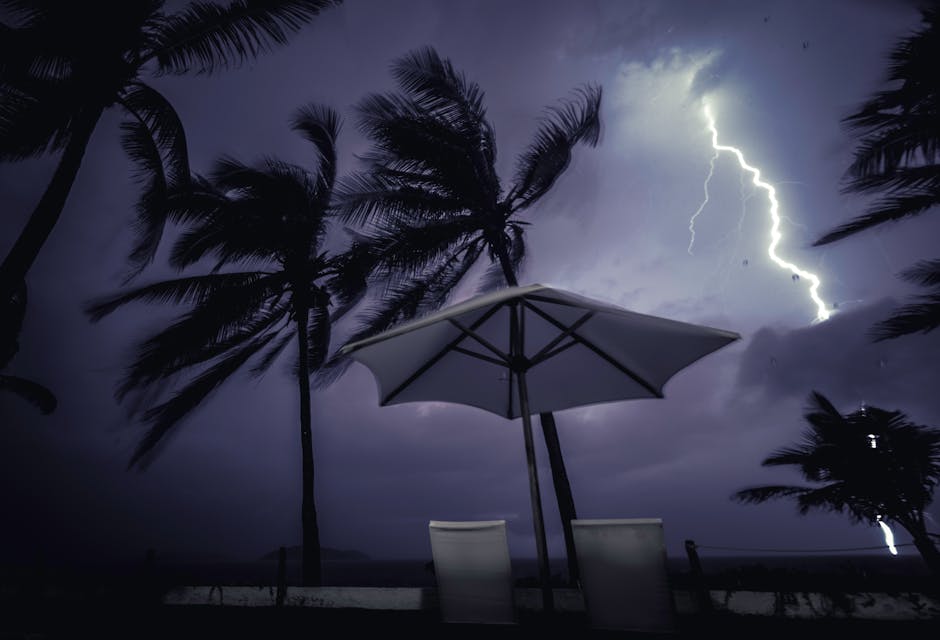
For years, weather in open-world games has functioned primarily as a cosmetic skybox filter—rain particles on the camera lens, screen-space reflections on wet tarmac, and perhaps an audio loop of thunder. In Grand Theft Auto VI, weather is not decorative; it is an active systemic physics simulation that directly governs vehicle handling, flight aerodynamics, water levels, pedestrian AI, and an ecosystem of over 170 wildlife species.
From Category-class hurricanes roaring across the Atlantic into Ocean Beach to sudden tropical squalls flooding low-lying causeways in Leonida, here is every technical detail confirmed by Rockstar's lead designers and what it means for the November 19, 2026 launch.
The Game Informer Issue 382 Cover Reveal: What Was Unveiled
The digital edition of Game Informer Issue 382 went live to subscribers on September 29, 2026, accompanied by original Rockstar Games key art showcasing protagonists Jason Duval and Lucia Caminos in front of a heavily perforated, bullet-riddled getaway sedan.
The 14-page feature is anchored by interviews with Rockstar's core physics, world-building, and rendering leads, accompanied by 12 brand-new, direct-feed screenshots captured on current-generation hardware.
Key technical revelations from the feature include:
- Volumetric Meteorological Simulation: Weather is tracked across a continuous atmospheric grid rather than triggered by localized client timers. A thunderstorm forming off the coast of the Keys will drift inland based on prevailing wind vectors.
- True Fluid & Drainage Simulation: Rain accumulates dynamically in dips, ditches, and roadway gutters. If a storm lingers, low-elevation streets in Vice City submerge, forcing traffic re-routing.
- Aerodynamic Wind Shear & Turbulence: Aircraft and helicopters encounter real atmospheric updrafts, crosswinds, and downdrafts. Flying low during a tropical depression is a genuine survival hazard.
- 170+ Reactive Wildlife Species: Animal AI monitors environmental barometric pressure. Flamingos, gulls, and manatees alter feeding patterns and seek shelter hours before a severe storm hits the coast.

From Sunny Afternoon to Category Hurricane: How Storms Form
In previous Rockstar titles—including Grand Theft Auto V and even Red Dead Redemption 2—weather changes were handled via state machines that blended between predefined weather profiles (e.g., Clear → Cloudy → Rain → Thunder).
According to Rockstar's technical directors, GTA VI discards static profiles in favor of a continuous thermodynamic weather system modeled on South Florida's unique climate realities:
1. The Pre-Storm Atmosphere (Barometric Shift)
Before visible rain begins, players will notice environmental cues that feel unsettlingly familiar to Florida residents:
- The sky transitions to an eerie bruised yellow-green cast as high-altitude barometric pressure drops.
- Wind speeds climb from gentle 10 mph ocean breezes to sustained 45+ mph gusts.
- Palm fronds and street signs begin vibrating violently; loose debris (trash cans, plastic lawn furniture, construction cones) detaches and rolls across roads.
2. Tropical Squalls & Microbursts
Leonida frequently experiences short, intense downpours that drench a single neighborhood while adjacent districts remain dry under baking sun. These microbursts create sudden visibility hazards on highway overpasses and cause immediate localized hydroplaning.
3. Major Tropical Storms & Hurricanes
The crown jewel of the new engine is the rare, full-scale hurricane event. These severe weather crises can last for several in-game hours, transforming the entire map into a state of emergency:
- Power grids flicker and sub-stations blow out in dramatic electrical explosions, plunging neighborhoods into darkness.
- Storm surges push Atlantic seawater over the seawalls of Vice Beach, spilling into coastal avenue lanes.
- Emergency sirens echo through deserted streets as pedestrian NPCs abandon their daily routines and shelter inside interiors or emergency structures.
Physics in Motion: How the Storm Affects Gameplay
What makes this weather engine revolutionary is how tightly it couples with GTA 6's physics pipeline. Weather is not something you merely look at; it is something you have to actively fight.
| Environmental Factor | Gameplay & Physics Impact in GTA VI | Comparison to GTA V |
|---|---|---|
| Standing Water & Flooding | Tires lose direct asphalt contact; risk of catastrophic aquaplaning; vehicle air intakes can hydro-lock in deep floodwaters. | Purely cosmetic texture overlay; zero water depth physics. |
| Gale-Force Crosswinds | High-sided vehicles (vans, box trucks, trailers) sway and can tip; supercars suffer front-end lift at 140+ mph. | Wind had minor drag effect on airplanes; zero effect on cars. |
| Ocean Storm Surges | Ocean swell amplitude increases dramatically; speedboats launch off 15-foot crests; docking becomes dangerous. | Generic wave animation loop; no surge or tide variation. |
| Aviation Aerodynamics | Severe wind shear and microburst downdrafts; lightning strikes can temporarily disable flight instruments and GPS. | Uniform flight mechanics regardless of storm intensity. |
| Projectile & Ballistics | High winds impart lateral bullet drift on long-range sniper engagements; rain dampens explosive shockwaves. | Hitscan / linear projectile travel ignoring atmospheric drag. |

Driving Physics: The Threat of Aquaplaning
During heavy storms, road surfaces in GTA 6 dynamically build up fluid layers based on street grade and storm drains. Driving an all-wheel-drive SUV down Ocean Drive during a tropical storm feels completely distinct from piloting a rear-wheel-drive muscle car.
Hit a deep puddle at 90 mph, and the tires immediately break surface tension: the steering wheel will fight you, feedback through the DualSense triggers or Xbox rumble motors will go entirely dead, and the vehicle will spin into oncoming traffic unless you brake in a straight line.
Tactical Heists and Getaway Planning
Weather actively dictates how you execute missions. A bank getaway planned during a forecasted tropical storm allows you to lose police choppers in the dense zero-visibility cloud base, but attempting to escape across the Venetian Causeway in a low-slung Italian sports car might leave you stranded in two feet of rising floodwater.
This aligns directly with what we saw in the newly released official artwork of Jason and Lucia in their bullet-pelted getaway car—survival in Vice City requires adapting to both the law and the elements.
Over 170 Wildlife Species: The Everglades Ecosystem Under Stress
One of the standout revelations in Marcus Stewart's piece is the sheer biodiversity of the state of Leonida. While Red Dead Redemption 2 featured roughly 200 animal species, GTA VI introduces over 170 species custom-engineered for modern tropical wetlands, coastal waters, and urban fringes.
Crucially, animal behavior is deeply tethered to the weather model:
- Alligators: As storm barometric pressure drops, gators submerge into deeper, calmer swamp channels to ride out the turbulence. However, when storm surges flood inland bayous, alligators and bull sharks are occasionally washed into suburban Vice City drainage ditches and golf courses.
- Bird Flocks: Herons, egrets, and pelicans cease flying and roost tightly in mangrove canopies when gusts exceed 35 mph. Observing sudden mass migrations of birds inland acts as a natural early warning system for incoming squalls.
- Night Hunters: Certain nocturnal predators exploit the ambient noise and disorientation of howling rainstorms to hunt closer to human settlements.
Why This Explains the 30 FPS Console Target
Earlier this month, digital analysis communities sparked passionate debates over reports that GTA VI targets a locked 30 FPS on both PlayStation 5 and Xbox Series X.
The comprehensive breakdown of the weather, fluid, and physics engines in Game Informer provides the definitive technical answer. Rendering high-fidelity tropical storms requires:
- Continuous volumetric ray-marched cloud layers with multi-scatter ambient lighting.
- Real-time compute shaders for millions of dynamic foliage leaves, fronds, and branches reacting to physical wind vectors.
- Complex CPU physics cycles governing fluid displacement, tire contact patches, buoyancy, and AI navigation meshes dynamically shifting around flooded streets.
As we detailed in our guide on why GTA 6 targets 30 FPS on PS5 and Xbox Series X|S, Rockstar has prioritized unprecedented world simulation over a compromised, stripped-back 60 FPS performance mode. You cannot have dynamic category-grade hurricanes tearing through a living metropolis if your CPU budget is throttled trying to push 60 frames every second.
Frequently Asked Questions
Can a hurricane destroy buildings in GTA 6?
No. While loose props, billboards, signs, tree branches, glass windows, and light poles can be destroyed or carried by gale-force winds, permanent structural buildings in Vice City remain intact to preserve the game's urban navigation and mission architecture.
Will hurricanes occur randomly or only in scripted missions?
Rockstar confirmed that severe tropical storms and hurricanes occur as dynamic, emergent weather events during open-world free roam. Certain campaign story beats will naturally align with major storms for cinematic effect, but you will experience organic hurricanes while simply exploring Leonida.
Does rain affect police AI?
Yes. Rain and fog substantially degrade visual line-of-sight for law enforcement, and police patrol vehicles suffer the exact same hydroplaning and traction penalties as the player. Police pursuit helicopters are grounded entirely during hurricane-level wind conditions.
Final Verdict: Rockstar's Most Ambitious Sandbox Yet
By grounding Grand Theft Auto VI's weather system in authentic tropical thermodynamics, Rockstar Games is setting a benchmark that will likely define open-world game design for the next decade. Vice City is not merely a playground of neon architecture; it is a volatile, living ecosystem where Mother Nature is every bit as dangerous as the cartels and police cruisers chasing you down.
If you are preparing for launch on November 19, 2026, make sure to read our complete breakdown of GTA 6 editions, pre-order bonuses and prices so you have the right package locked in before pre-loading begins.
Article researched and written by the Raidcade Editorial Team. Last updated on September 29, 2026.